
How the NHS Decides Where Money Goes
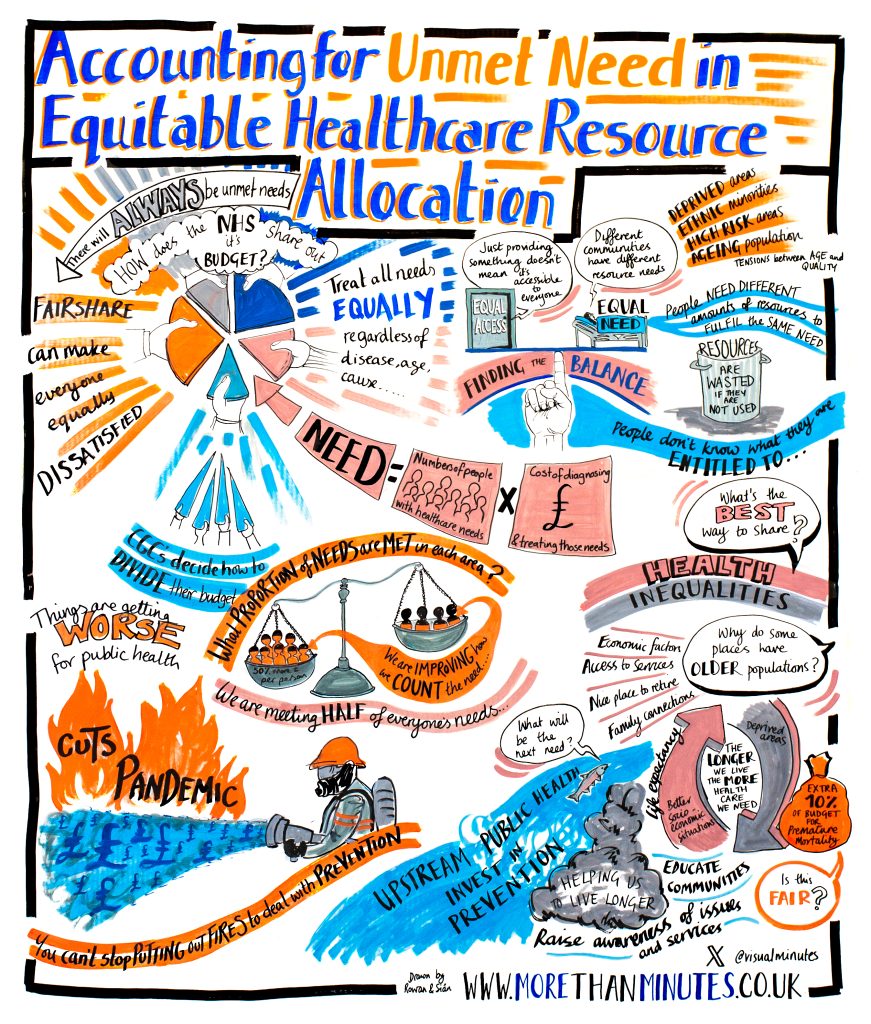
The NHS divides its budget between different areas of the country. Places where more people have health problems (for example, Blackpool) get more money per person than places where people are generally healthier (for example, Surrey). The aim is to make sure that, no matter where you live, you can get fair access to health care.
To decide how much each area should get, the NHS uses special calculations, called weighted capitation formulae. These are based on how different groups of people have used health services in the past.
However, some people don’t go to the doctor even when they are unwell. This means that the calculations may not fully reflect everyone’s health needs. To help with this, the NHS makes adjustments for “unmet need” – in other words, to allow for people who need care but aren’t currently using services.
The NHS also tries to reduce health inequalities – the unfair differences in health between richer and poorer communities. To help with this these formulae are also adjusted so that areas where people have poorer health get extra funding.
The process can sound complicated, so we worked with a group of public advisers to create an animated video to explain it more clearly. It’s important for the public to understand how this works, because it affects how much money the NHS receives in your local area.